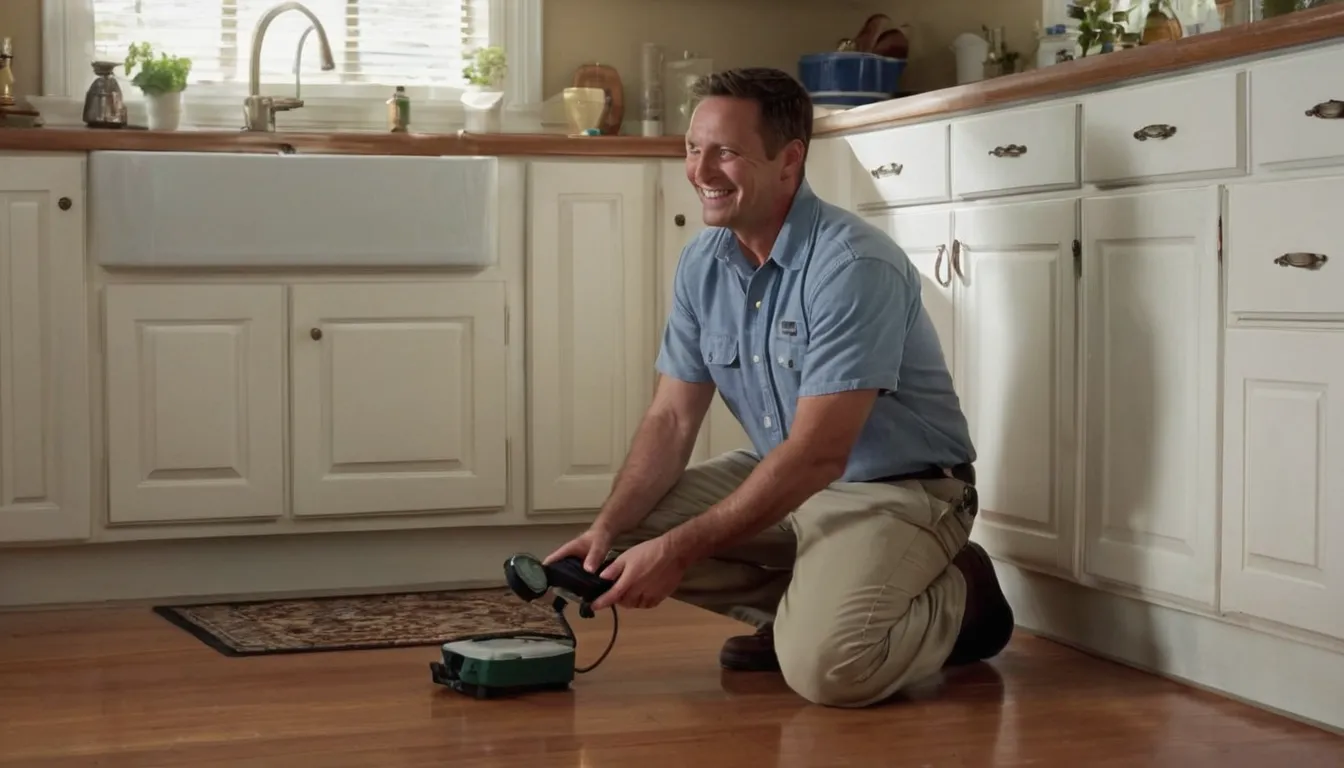
Pest Control Help for Your Home
Request an estimate to get started
Pests rarely stay in one corner of the house. Ants follow a trail to your pantry. Mice use gaps the size of a dime. Roaches hide behind the fridge. This page walks you through what to do first, what is safe to try with a hardware-store toolbox, and when the job is bigger than a spray bottle.
Practicalbaby Pest Control is a referral service. We do not treat homes. When you request an estimate, your details go to an independent provider in our network who does the hands-on work. Providers set their own prices, products and schedules. Referral, not repair. That means you always know who is doing what, and where your request goes.
Found Pests? Start With a Calm First Hour
You saw a roach at midnight. Or a line of ants on the counter. Your heart rate jumps. Stop for a minute. Most pest problems are not emergencies, and a clear head helps you act well.
Grab a flashlight, a notepad and your phone. Look around before you touch a thing. Where did you see the pest? How many? What time? That small record is gold when you talk to a provider later.
Safe Moves You Can Make Right Now
Some jobs are fine for a handy homeowner. Try these first:
- Wipe up crumbs, grease and sticky spots. Use hot soapy water.
- Seal food in hard containers. Move pet food bowls up off the floor at night.
- Take out trash and wash the can if it smells.
- Snap a photo of the pest. A clear picture helps with identification.
- Vacuum trails, corners and baseboards. Empty the bag outside.
- Fix a drippy faucet or wet towel pile. Pests want water.
Keep it simple. Do not mix cleaners or spray random chemicals in a panic. That can hurt you, your kids or your pets.
Where to Stop and Hand Off
Try, then hand off. Stop DIY work when you see signs of a nest, droppings in several rooms, or pests coming back after a week of cleanup. Stop if you spot stinging insects in a wall or attic. Stop if you are unsure what the pest is.
Over-the-counter sprays can scatter some insects, which makes a small problem spread. A provider can find the source and choose a product made for it.
Why Acting Early Matters
Pests breed fast. A few roaches turn into a crowd. One pregnant mouse can mean a dozen more in weeks. Early action usually means a simpler, smaller job.
Our humid summers push ants, spiders and crickets indoors. Cold snaps and nor'easters send mice and rats looking for a warm basement. Older homes with gaps around cast-iron and galvanized pipes give them easy doors.
What Residential Pest Control Covers
Residential pest control is the work a provider does inside and around your home. It usually starts with an inspection. The provider looks at entry points, moisture, clutter and signs of activity.
Then comes a treatment plan. That can mean targeted sprays, baits, dust in wall voids, sealing gaps or advice on changing a habit. Details vary by provider and by pest, so ask what is included before you agree.
Common Pests Providers Treat
Providers in our network commonly handle:
- Ants, including sugar ants and carpenter ants
- Cockroaches in kitchens and baths
- Spiders and crickets in basements and garages
- Mice and rats
- Wasps, bees and hornets
- Fleas, ticks and silverfish
If you search "exterminator near me," you will find plenty of names. A referral request saves you the guesswork of sorting through them.
Bed Bugs Need a Different Plan
Bed bug treatment is its own job. Small rust-colored spots on sheets, tiny bites in a row and a musty smell are clues. Do not bag up the whole house or spray the mattress yourself. That often spreads them.
Wash bedding on hot, dry it on high, and then reach out to a provider. They will explain the steps, such as heat or targeted products, and how to prep each room.
Questions About Product Safety
This is the question we hear most. Is it safe around my kids and dog? The honest answer: it depends on the product and how it is used.
Ask the provider these things:
- What product will you use, and where?
- How long should people and pets stay out?
- Is there a lower-odor or bait-based option?
- Which areas should stay dry or untouched?
A good provider answers plainly and can point you to the product label. Read it yourself too.
One-Time Treatment or Ongoing Plan?
A one-time visit often fits a single, fresh problem, like a wasp nest or a short ant trail. Ongoing plans fit homes that deal with repeat visitors, such as basements near wooded lots or rowhouses sharing walls.
Plans usually include scheduled visits through the seasons. Ask what happens if pests return between visits. Compare the written details, not just the price.
Choosing a Provider From Our Network
Providers are independent businesses. Practicalbaby Pest Control does not do the work and does not set their prices. When you compare, ask about:
- Licensing required in your state, and proof of it
- Insurance for the provider's own work
- A written quote that names the pests and the plan
- What a return visit costs, if one is needed
Request a callback to check provider availability if you want to talk it through. Or use the form and let a provider reach out.
How Your Request Gets Routed
Here is the plain version. You send your request. It goes to a local provider in our network. That provider contacts you, looks at the job and gives you an estimate. You decide if it fits. There is no obligation to hire anyone.
Helping Treatment Work Better
You are part of the fix. Before the visit:
- Clear a path under sinks and along baseboards.
- Move boxes off basement walls.
- Store firewood away from the house.
- Patch screens and seal small cracks with caulk.
- Keep a list of where you saw activity.
After the visit, follow the provider's notes. Give products time to work, and report anything that seems off.
What's Included
Inspection
A provider looks for entry points, moisture, nests and trails before choosing any treatment for your home.
Targeted Treatment
Sprays, baits or dusts are matched to the pest, not applied everywhere.
Sealing Advice
Providers often point out gaps, cracks and pipe openings that let pests slip inside the house.
Follow-Up Visits
Many providers offer return visits or seasonal plans to keep pests from creeping back in.
Typical Pest Control Costs
Prices vary by pest, home size and how bad the problem is. These are typical U.S. ranges only. Always ask providers for a written quote before you agree to any work.
| Service | Typical range | Notes |
|---|---|---|
| One-time general treatment | $100 – $300 | Common for ants, spiders or roaches |
| Quarterly plan, per visit | $40 – $150 | Often billed by season |
| Initial inspection | $0 – $200 | Some providers apply it to the job |
| Rodent control program | $200 – $600 | Includes sealing and follow-ups |
| Wasp or hornet nest removal | $100 – $400 | Higher for attics or wall voids |
| Bed bug treatment | $300 – $1,500+ | Depends on rooms and method |
How It Works
Note What You Saw
Write down the pest, the room and the time. Snap a clear photo if you can.
Clean and Seal Up
Wipe surfaces, store food in hard containers and patch obvious gaps.
Request an Estimate
Send your details through the form. A local provider reaches out.
Compare and Decide
Review the written quote, ask about products, then choose what fits.
Why Call Practicalbaby Pest Control
Plain Honesty
We tell you up front that providers do the work, not Practicalbaby Pest Control. No surprises.
Safe First Steps
You get simple cleanup tips you can try before spending anything.
Local Providers
Requests go to independent providers who know local homes, seasons and pests.
No Obligation
Request an estimate and decide for yourself whether to hire.
Other Services
Need pest control in Manassas?
Tell us what you are seeing and send a request. A provider in our network can follow up with a written quote. No obligation.
No obligationPest Control FAQ
How do I find an exterminator near me?
Send a request through the form. Practicalbaby Pest Control routes it to an independent provider in our network near you. The provider contacts you with details and an estimate. You are not obligated to hire anyone.
Can I get rid of pests myself?
Small problems like a few ants often respond to cleanup, sealing and store-bought baits. Stop and call a provider if pests keep returning, you see a nest, or you cannot tell what the pest is.
Is pest control safe for kids and pets?
It can be when products are chosen and used correctly. Ask the provider what they plan to use, how long to stay out of treated areas, and whether lower-odor or bait options exist.
Request a callback
Tell us what you are seeing and send a request. A provider in our network can follow up with a written quote. No obligation.
No obligation